
If you’re exploring vaping options, one of the first decisions you’ll face is choosing between disposable devices and rechargeable devices. At first glance, they may seem similar—they both deliver vapor, flavors, and (optionally) nicotine. But in reality, they offer very different experiences, costs, and long-term impacts.
So which one is better?
The honest answer: it depends on your goals.
In this guide, we break down the pros and cons of disposable vs rechargeable devices in simple terms—so you can make a smarter, more informed decision.
What Are Disposable Devices?
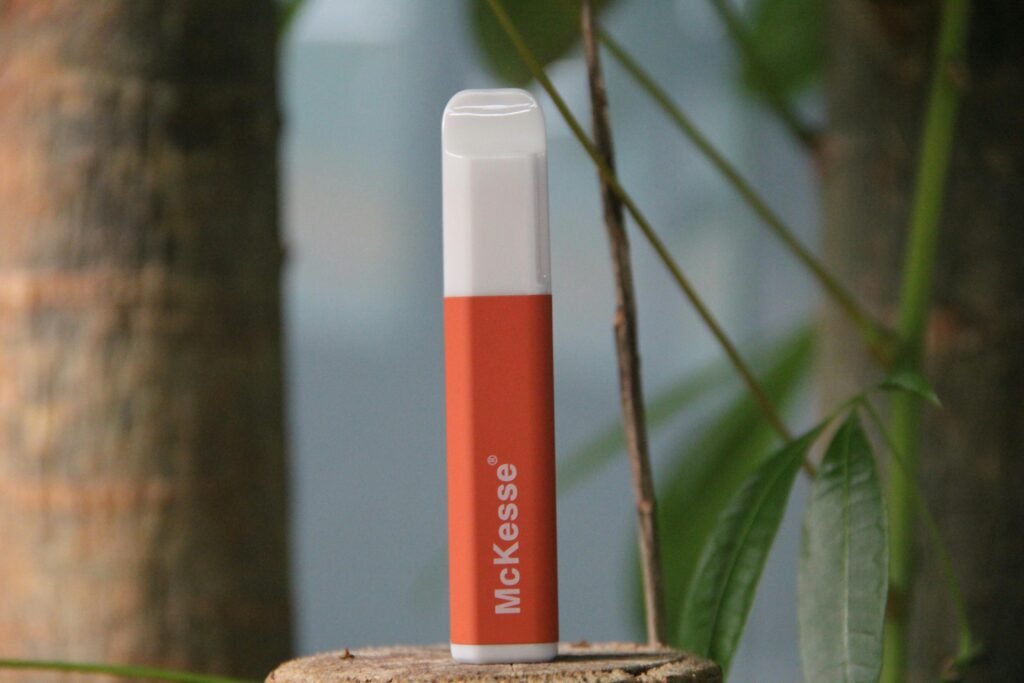
Disposable vapes are single-use devices that come pre-filled and pre-charged.
Once the battery or e-liquid runs out:
👉 You throw the entire device away.
Key characteristics:
- No charging
- No refilling
- Ready to use out of the box
What Are Rechargeable Devices?
Rechargeable devices (like pod systems) are designed for long-term use.
Instead of throwing away the whole device:
- You recharge the battery
- Replace or refill the pod
Key characteristics:
- Reusable battery
- Replaceable pods or coils
- More control over usage
Quick Comparison Overview
(Higher score = better performance in that category)
Pros of Disposable Devices
✔ 1. Maximum Convenience
Disposable devices are the easiest option available.
- No setup required
- No buttons (in most cases)
- No maintenance
You simply open the package and start using it.
✔ 2. Beginner-Friendly
For someone completely new, disposables remove confusion.
- No need to understand coils or pods
- No refilling or charging
- No technical knowledge required
✔ 3. Portable and Lightweight
They are compact and easy to carry anywhere:
- Travel
- Social events
- Short-term use
✔ 4. Wide Flavor Variety
Disposable devices often come in a huge range of flavors, making them appealing for casual users.
Cons of Disposable Devices
❌ 1. Expensive Over Time
While the upfront cost is low, frequent use adds up quickly.
- Buying multiple disposables per week = higher long-term cost
❌ 2. Environmental Impact
This is one of the biggest downsides.
Each device includes:
- A battery
- Plastic components
- Electronic waste
Throwing them away regularly contributes to pollution.
❌ 3. Limited Performance
Disposables are not designed for power or customization.
- Fixed settings
- Limited battery life
- Less control over experience
❌ 4. Not Ideal for Long-Term Use
They’re designed for convenience—not sustainability.
Pros of Rechargeable Devices
✔ 1. Cost-Effective in the Long Run
After the initial purchase:
- You only replace pods or refill e-liquid
- Much cheaper than buying disposables repeatedly
✔ 2. Better for the Environment
You reuse the same device, reducing waste significantly.
✔ 3. Customization Options
Rechargeable devices allow more control:
- Choose your own e-liquids
- Adjust nicotine strength
- Select different pod types
✔ 4. Better Performance
- Stronger battery
- More consistent vapor production
- Better flavor quality (in many cases)
✔ 5. Longer Lifespan
A good rechargeable device can last months—or even years—with proper care.
Cons of Rechargeable Devices
❌ 1. Requires Maintenance
Unlike disposables, you need to:
- Charge the device
- Replace pods or coils
- Clean occasionally
❌ 2. Learning Curve
Beginners may find them slightly confusing at first.
- Understanding pods, coils, and e-liquids takes time
❌ 3. Higher Upfront Cost
The initial purchase is more expensive than a single disposable.
❌ 4. Less Instant Convenience
You can’t just “grab and go” without some preparation.
Which One Is Better for Beginners?
It depends on your situation.
Choose Disposable Devices If:
- You want maximum simplicity
- You’re just trying vaping casually
- You don’t want to deal with maintenance
Choose Rechargeable Devices If:
- You plan to use regularly
- You want to save money long-term
- You prefer more control and flexibility
Cost Comparison (Realistic View)
Let’s break it down simply:
Disposable User:
- Buys 2–3 devices per week
- Monthly cost adds up quickly
Rechargeable User:
- One-time device purchase
- Occasional pod/e-liquid replacement
👉 Over time, rechargeable devices are significantly cheaper.
Health Considerations
Whether disposable or rechargeable:
- Both involve inhaling vapor
- Both may contain nicotine (unless specified otherwise)
- Neither is risk-free
The difference is in usage patterns, not safety.
Environmental Impact: A Growing Concern
In 2026, sustainability matters more than ever.
Disposable devices:
- Create large amounts of e-waste
- Are difficult to recycle
Rechargeable devices:
- Reduce waste
- Offer a more eco-friendly option
If environmental impact matters to you, rechargeable devices are the clear winner.
Can You Switch Between Both?
Yes—and many users do.
A common approach:
- Use rechargeable devices daily
- Keep disposables for travel or emergencies
This balances convenience with cost efficiency.
Final Verdict
There’s no one-size-fits-all answer—but here’s the honest breakdown:
- Disposable devices win on convenience and simplicity
- Rechargeable devices win on cost, performance, and sustainability
Bottom Line
- Choose disposables for short-term ease
- Choose rechargeable devices for long-term value
- The best option depends on your goals and habits
Review You Can Trust Today is committed to helping you make informed, practical decisions. Whether you’re choosing convenience or long-term value, understanding the pros and cons puts you in control.