
Stress has become an unavoidable part of modern life. Whether it’s work pressure, financial concerns, or digital overload, many people turn to quick fixes—like nicotine—to cope. But in 2026, awareness is growing about the long-term health risks of nicotine use, pushing more individuals to look for safer, sustainable alternatives.
If you’re trying to quit nicotine or simply want healthier ways to manage stress, this guide covers the best nicotine-free alternatives that actually work.
Why Avoid Nicotine for Stress Relief?
Nicotine may feel calming in the moment, but it’s a short-term illusion. It stimulates the release of dopamine, creating temporary relief, but leads to dependency, increased anxiety over time, and withdrawal cycles that worsen stress.
Choosing nicotine-free alternatives helps you:
- Break dependency cycles
- Improve mental clarity
- Support long-term emotional stability
- Protect your physical health
1. Herbal Teas for Natural Relaxation
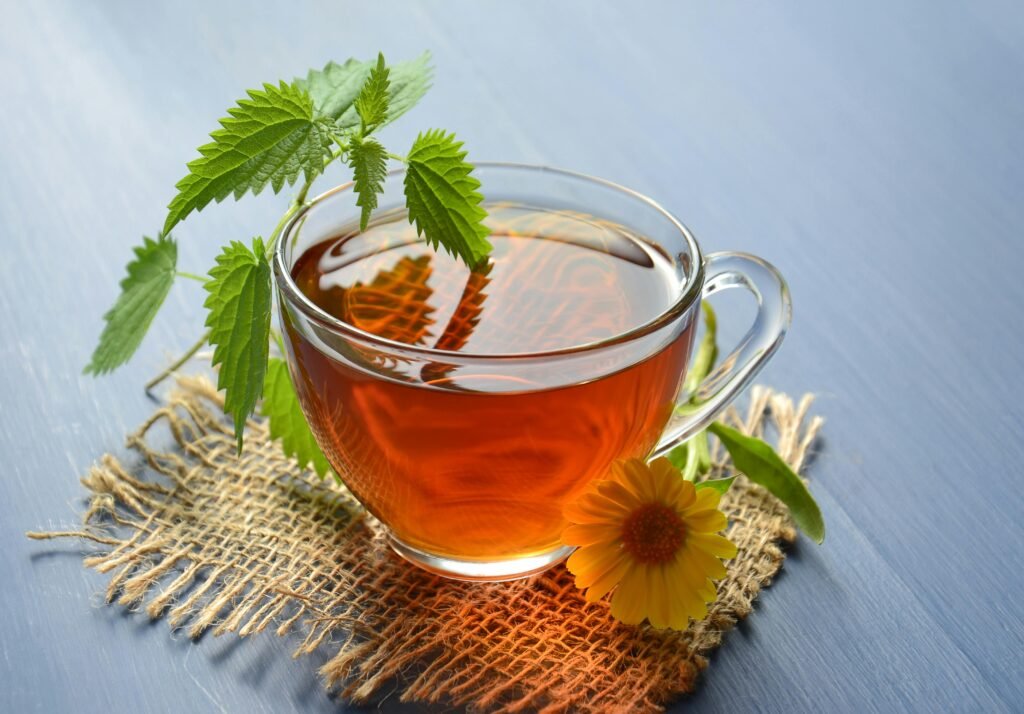
Herbal teas have been used for centuries to promote calmness. Unlike nicotine, they work gently with your body.
Top options:
- Chamomile: Reduces anxiety and promotes sleep
- Ashwagandha tea: Helps balance cortisol levels
- Peppermint: Relieves tension and improves focus
Drinking a warm cup of herbal tea can become a simple daily ritual that signals your body to unwind.
2. Breathing Techniques That Actually Work
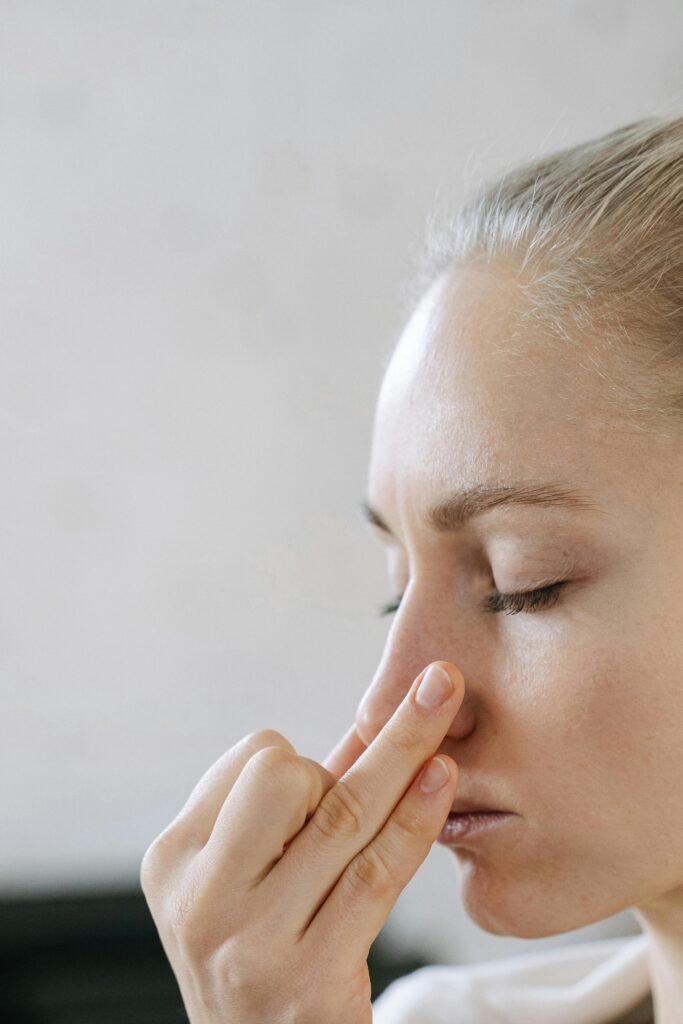
Controlled breathing is one of the fastest ways to reduce stress—no substances required.
Try the 4-7-8 technique:
- Inhale for 4 seconds
- Hold for 7 seconds
- Exhale for 8 seconds
This method slows your heart rate and calms your nervous system within minutes.
3. Nicotine-Free Vapes (Zero Nic Options)
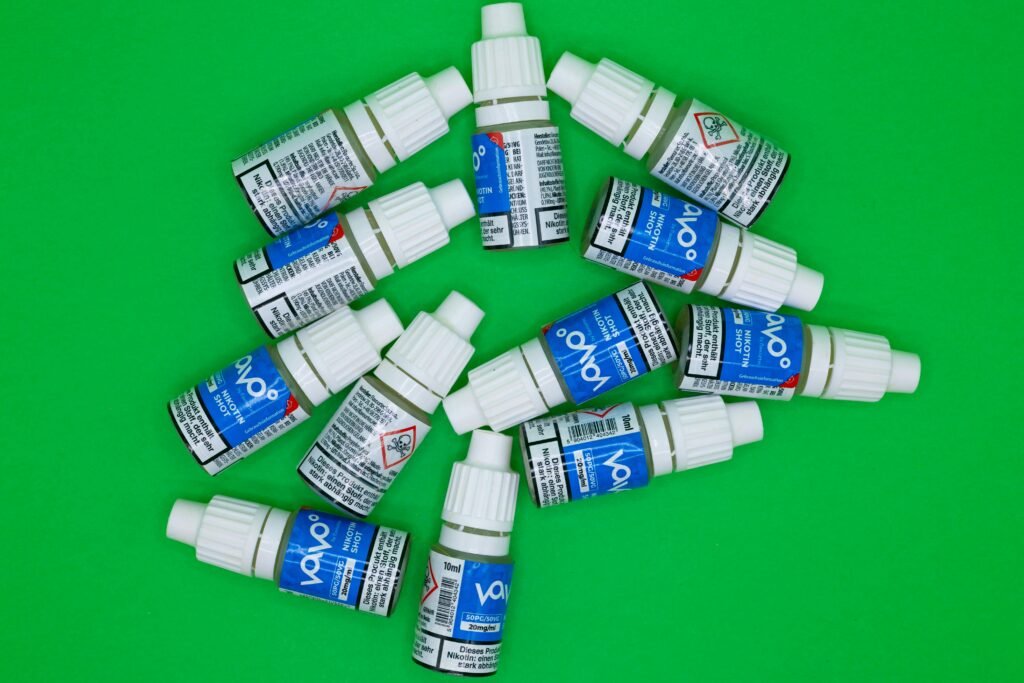
For those who enjoy the physical habit of vaping, nicotine-free vapes provide a transitional alternative.
These products:
- Mimic the hand-to-mouth action
- Deliver flavored vapor without addiction
- Help gradually break psychological dependence
Look for options labeled “0% nicotine” and avoid synthetic additives when possible.
4. Exercise: The Most Powerful Stress Reliever
Physical activity remains one of the most effective ways to combat stress.
Even light exercise can:
- Release endorphins (natural mood boosters)
- Improve sleep quality
- Reduce anxiety levels
You don’t need a gym—start with:
- 20-minute walks
- Home workouts
- Yoga sessions
Consistency matters more than intensity.
5. Adaptogenic Supplements
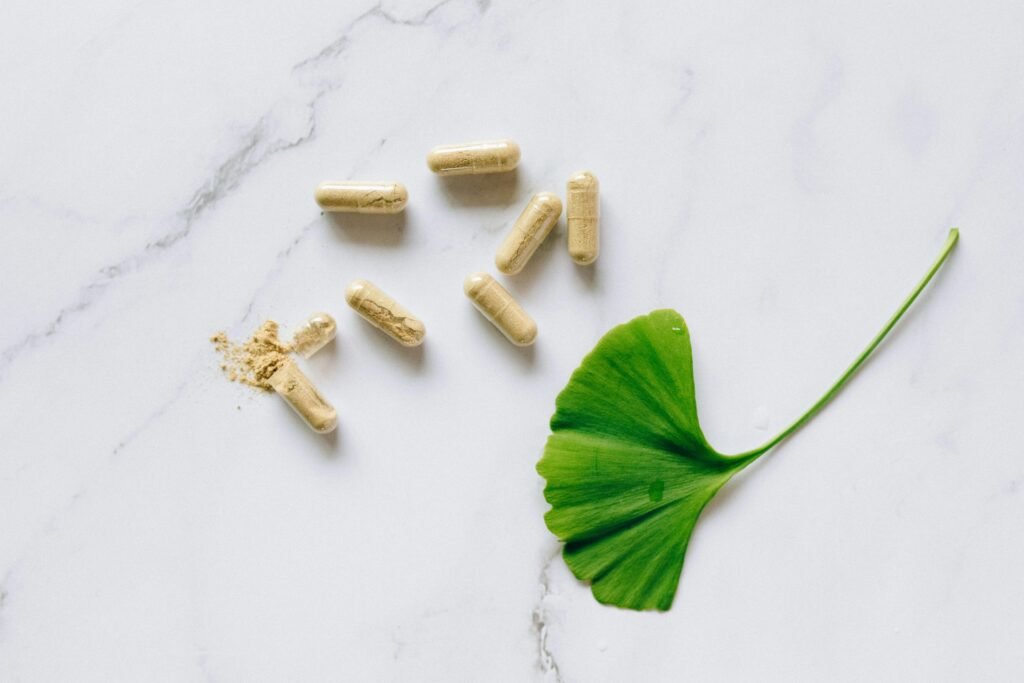
Adaptogens are natural substances that help your body adapt to stress.
Popular choices in 2026 include:
- Ashwagandha
- Rhodiola Rosea
- Holy Basil
These supplements support hormone balance and improve resilience to stress over time. Always consult a healthcare professional before starting any supplement.
6. Mindfulness and Meditation Apps

Digital tools are now making mindfulness more accessible than ever.
Guided meditation can:
- Reduce racing thoughts
- Improve emotional control
- Increase focus
Start with just 5–10 minutes daily. Over time, this practice rewires how your brain responds to stress triggers.
7. Chewing Alternatives (Gum & Herbal Sticks)

If you miss the oral fixation aspect of nicotine use, chewing alternatives can help.
Options include:
- Sugar-free gum
- Herbal chew sticks
- Flavored toothpicks
These provide a sensory distraction without harmful chemicals.
8. Cold Showers and Hydrotherapy
Cold exposure is gaining popularity as a natural stress reset tool.
Benefits include:
- Reduced cortisol levels
- Improved mood
- Increased alertness
Start slow—30 seconds of cold water at the end of your shower can make a noticeable difference.
9. Journaling for Mental Clarity
Writing down your thoughts is a powerful emotional release.
Try:
- Gratitude journaling
- Brain dumping before bed
- Tracking stress triggers
This helps you process emotions instead of suppressing them.
10. Aromatherapy and Essential Oils
Scents can directly influence your mood and nervous system.
Popular calming oils:
- Lavender
- Eucalyptus
- Sandalwood
Use a diffuser or apply diluted oils to pulse points for quick relaxation.
Choosing the Right Alternative for You
Not every method works the same for everyone. The key is experimentation and consistency.
Ask yourself:
- Do I need a physical habit replacement?
- Am I looking for instant relief or long-term change?
- What fits easily into my daily routine?
Often, combining multiple approaches—like exercise + herbal tea + breathing techniques—yields the best results.
Final Thoughts
Nicotine may offer temporary relief, but it comes at a cost. The good news is that in 2026, there are more effective and healthier ways to manage stress than ever before.
By switching to nicotine-free alternatives, you’re not just avoiding harm—you’re building a stronger, more resilient version of yourself.
Start small, stay consistent, and remember: real stress relief comes from habits that support your body, not control it.
Reviews You Can Trust Today is committed to helping you make smarter, healthier choices. Stay tuned for more evidence-based guides and honest recommendations.