
CBD oil has exploded in popularity over the past few years, and in 2026 it’s more accessible than ever. From stress relief to better sleep, many people are turning to CBD as a natural option to support their well-being.
But if you’re a beginner, the market can feel overwhelming.
There are different strengths, types, extraction methods, and brands—all claiming to be the “best.” So how do you actually choose the right CBD oil without wasting money or having a bad first experience?
This guide from Review You Can Trust Today breaks everything down in simple, honest terms so you can confidently choose the best CBD oil as a beginner.
What Is CBD Oil?
CBD (cannabidiol) is a natural compound found in hemp plants. Unlike THC, it does not produce a “high.”
CBD oil is made by extracting cannabidiol from hemp and mixing it with a carrier oil like:
- MCT oil (coconut-based)
- Hemp seed oil
Why Beginners Are Turning to CBD
People use CBD for many reasons, including:
- Stress and anxiety support
- Better sleep
- Mild pain or inflammation
- Relaxation without intoxication
👉 Important: CBD is not a cure or medical treatment—but many users report positive effects.
Types of CBD Oil (Very Important for Beginners)
Before choosing a product, you need to understand the 3 main types of CBD.
1. Full-Spectrum CBD
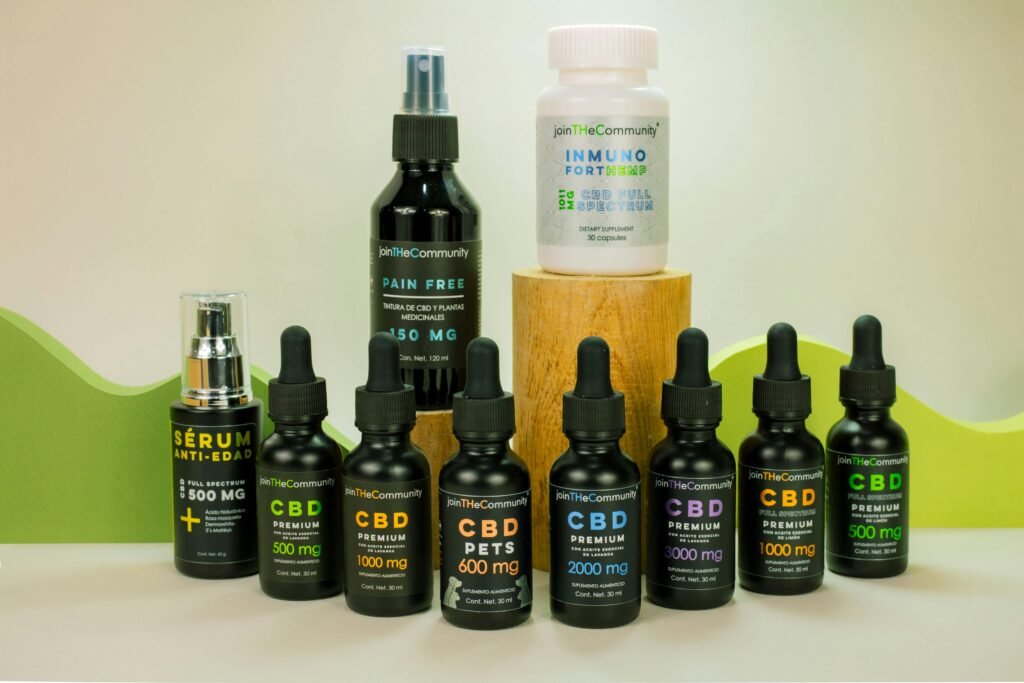
Contains:
- CBD
- Small amounts of THC (within legal limits)
- Other beneficial plant compounds
Pros:
- Stronger “entourage effect” (compounds work together)
Cons:
- May not be suitable if you want zero THC
2. Broad-Spectrum CBD
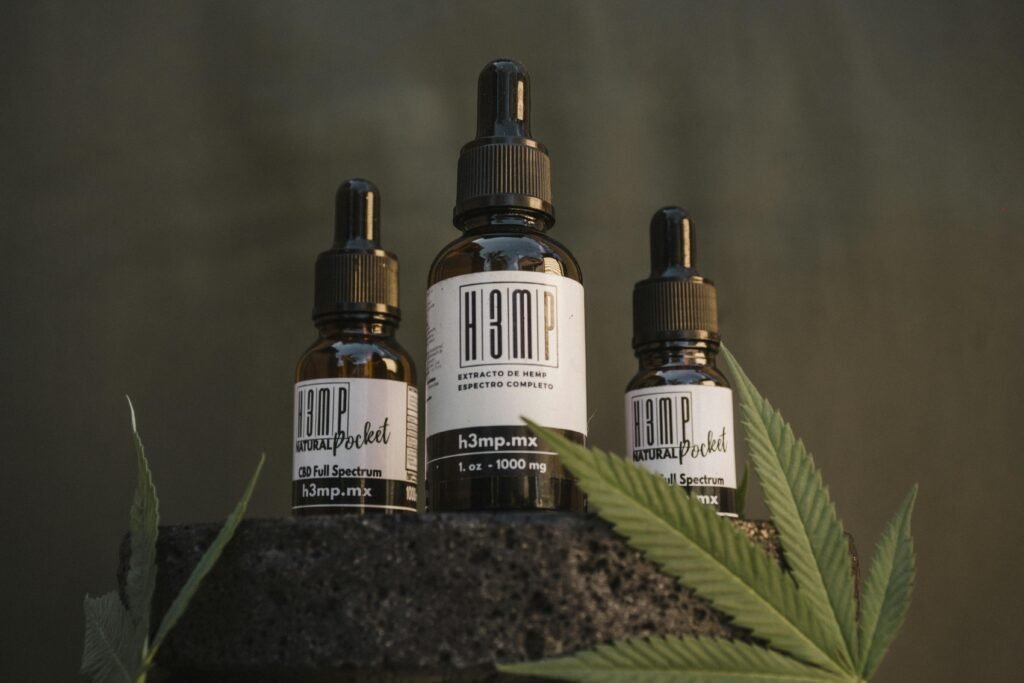
Contains:
- CBD
- Other cannabinoids
- No THC
Pros:
- Balanced effects
- No THC exposure
Best for beginners who want safety + effectiveness
3. CBD Isolate
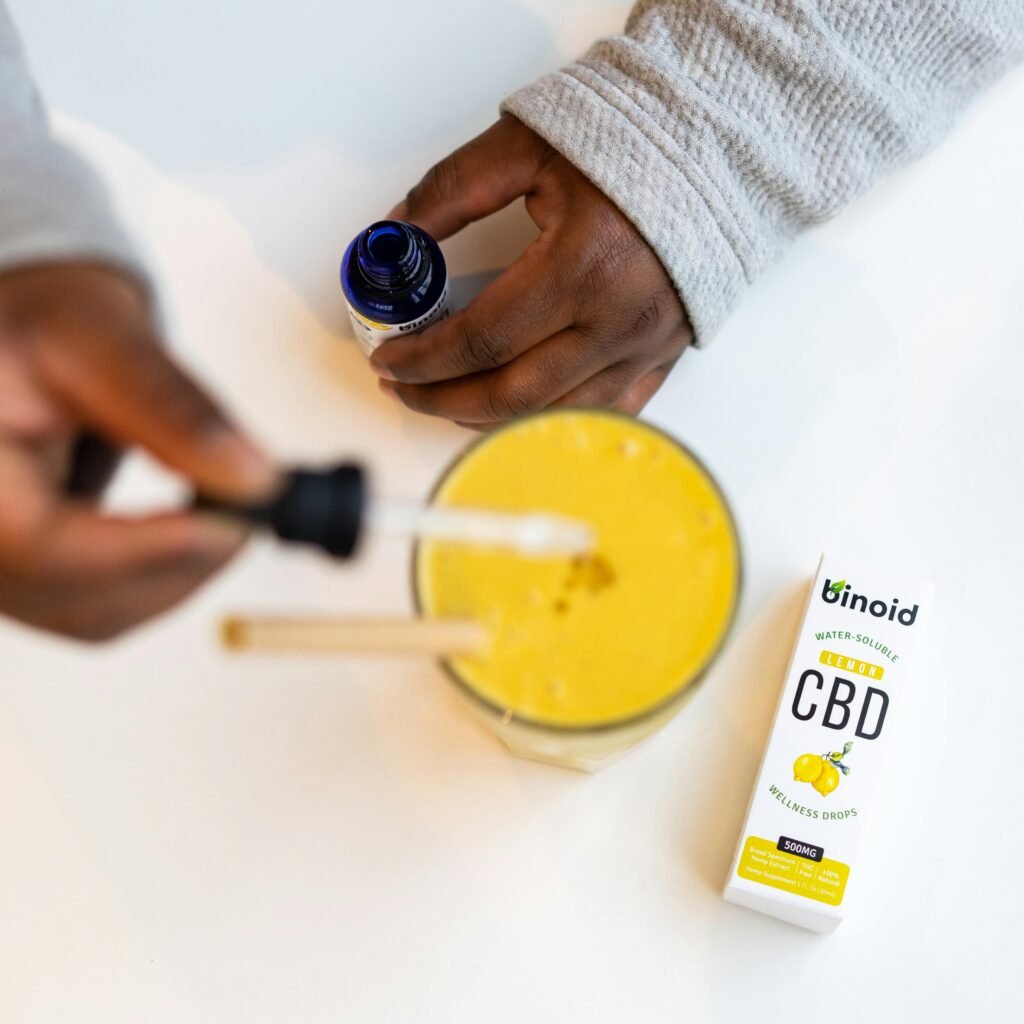
Contains:
- Pure CBD only
Pros:
- No THC at all
- Very controlled dosing
Cons:
- May feel less effective for some users
What Makes a CBD Oil “Beginner-Friendly”?
Not all CBD oils are suitable for beginners.
Look for these features:
✔ Low to Moderate Strength
Avoid high-potency oils at the start.
Ideal beginner range:
- 300mg to 1000mg per bottle
✔ Clear Labeling
Good products clearly show:
- CBD content per serving
- Ingredients
- Usage instructions
✔ Third-Party Testing
Always choose brands that provide lab results.
This ensures:
- No harmful contaminants
- Accurate CBD levels
✔ Simple Ingredients
Avoid products with:
- Artificial additives
- Unnecessary chemicals
Best CBD Oil Types for Beginners (2026 Recommendations)
Instead of focusing on risky hype brands, let’s look at safe beginner categories.
1. Low-Strength Broad-Spectrum CBD Oil
Why it’s great:
- Gentle effects
- No THC
- Easy to control dosage
Best for:
- First-time users
- People sensitive to substances
2. CBD Oil with MCT Carrier
MCT oil improves absorption and taste.
Benefits:
- Faster effects
- Better digestion
- Mild flavor
3. Flavored CBD Oils
Unflavored CBD can taste earthy or bitter.
Flavored options:
- Mint
- Citrus
- Vanilla
Best for beginners who dislike strong natural taste
How to Choose the Right Strength
This is where most beginners go wrong.
Start Low, Go Slow
Begin with:
- 5–10 mg per dose
Then:
- Gradually increase if needed
Example Beginner Plan:
Week 1 → 5 mg daily
Week 2 → 10 mg daily
Week 3 → Adjust based on results
👉 This prevents side effects and helps you find your ideal dose.
How to Use CBD Oil
The most common method is sublingual (under the tongue).
Steps:
- Place drops under your tongue
- Hold for 30–60 seconds
- Swallow
Why this works:
- Faster absorption into bloodstream
- More effective than swallowing immediately
How Long Does CBD Take to Work?
It depends on the person.
Typical timeline:
- 15–45 minutes (sublingual use)
- Effects may last 4–6 hours
Consistency matters more than instant results.
Potential Benefits (Based on User Experience)
While research is ongoing, users commonly report:
- Reduced stress
- Improved sleep quality
- Calmer mood
- Mild pain relief
Possible Side Effects
CBD is generally well-tolerated, but beginners should be aware of:
- Dry mouth
- Drowsiness
- Lightheadedness (rare)
👉 These usually happen with high doses.
Common Beginner Mistakes
Avoid these:
❌ Taking Too Much Too Soon
Higher dose ≠ better results.
❌ Buying Cheap, Low-Quality Products
Low-quality CBD may:
- Contain less CBD than advertised
- Include contaminants
❌ Expecting Instant Results
CBD works gradually for many people.
❌ Ignoring Lab Reports
Always verify product quality.
How to Read a CBD Label
Here’s what to check:
- Total CBD (e.g., 600mg)
- CBD per serving (e.g., 20mg)
- Type (full-spectrum, broad-spectrum, isolate)
- Ingredients list
Is CBD Legal?
CBD legality depends on your country.
In many places:
- Hemp-derived CBD is legal
- THC content must be below a certain limit
👉 Always check local laws before buying.
Is CBD Safe for Everyone?
CBD is generally considered safe—but:
Consult a professional if:
- You take medications
- You have health conditions
- You are pregnant or breastfeeding
How to Store CBD Oil
To maintain quality:
- Keep in a cool, dark place
- Avoid direct sunlight
- Close the bottle tightly
How Much Should You Spend?
CBD pricing varies.
Beginner-friendly range:
- Mid-range products (not the cheapest, not premium luxury)
👉 Focus on quality—not just price.
Final Thoughts
CBD oil can be a great addition to your wellness routine—but only if you start correctly.
The key for beginners is:
- Choosing the right type
- Starting with low doses
- Buying from trusted sources
Avoid hype, stay informed, and focus on consistency.
Bottom Line
- Broad-spectrum CBD is ideal for beginners
- Start with low doses and increase gradually
- Always choose lab-tested products
- Be patient—results take time
Review You Can Trust Today is committed to giving you honest, practical guidance. When it comes to CBD, smart choices make all the difference—start simple, stay consistent, and listen to your body.